SustainabilityPeople & Safety
The work depends on the people who make it possible.
Clear responsibilities support safer work.
The Group’s work depends on people operating in different environments, from construction sites and production facilities to healthcare settings and commercial teams. Each environment has its own risks, skills and coordination needs. Safety and working conditions need to be considered in the way the activity is planned and managed.
Our approach values clear responsibilities, practical competence and open communication. People need to understand the task, the relevant precautions and the limits of their role. When conditions change or information is missing, concerns should reach the person able to assess the situation and organise the next step.
Our priorities
People considerations built into the work.
01Planning before the task
The sequence of work, site or facility conditions and interfaces between teams should be reviewed before activity begins. Planning should identify the relevant risks and the people responsible for coordinating precautions and communicating requirements.
02Roles & competent supervision
Clear roles help avoid gaps between client teams, contractors, operators and technical specialists. The person coordinating the work needs access to the information required to make decisions, while specialist tasks should be assigned to appropriately competent personnel.
03Communication & raising concerns
People should be able to ask questions and report unsafe conditions or unclear instructions. Communication needs to reach the relevant supervisor or responsible team, with a clear response when a task or condition requires further assessment.
04Skills & professional development
Technical knowledge and practical experience support reliable work. Development priorities should reflect the equipment, processes and responsibilities of the role, including changes introduced by new projects, systems or operating environments.
05Coordination across partners
Several organisations may contribute to the same project or facility. Shared interfaces, access arrangements and changes need coordinated communication so that one team’s activity does not create unrecognised risks for another.
06Respect in everyday relationships
Professional conduct, fair communication and respect for the people involved help teams work together. Business decisions should consider how responsibilities and expectations affect employees, partners and the communities connected with the activity.
Working approachDifferent settings call for specific precautions.
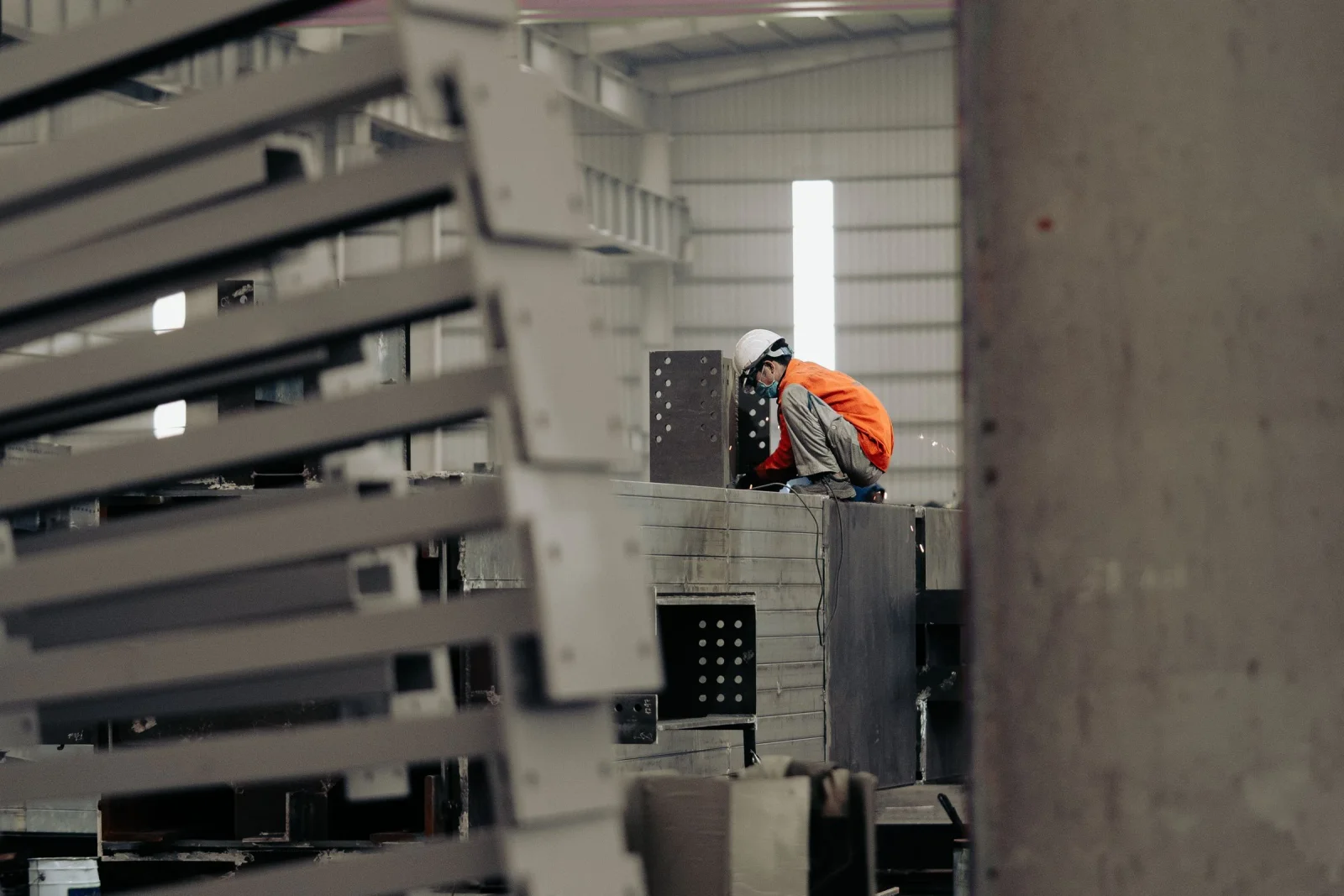
A fabrication workshop, construction site and imaging centre have different operating requirements. General principles are useful, but the practical precautions need to reflect the task, equipment and local conditions. The responsible company and relevant professionals should define the requirements for that setting.
Good coordination connects these requirements with the actual sequence of work. Changes in access, equipment, materials or participating teams may require the plan to be reviewed. Keeping people informed is part of maintaining a workable and responsible operating environment.
Putting it into practice
People and safety across our activities.
01Understand the task
Identify the activity, setting, participating teams and the competence required to carry out the work.
02Plan responsibilities
Define who coordinates the task, communicates precautions and assesses changes or concerns.
03Maintain communication
Keep instructions and relevant information available to the people involved as the work progresses.
04Review experience
Use operational feedback and identified issues to improve future planning and professional development.
01Construction teams
Site sequencing and coordination between trades help make responsibilities understandable during project execution.
02Production personnel
Fabrication and production require task-specific competence, operating information and appropriate supervision.
03Healthcare settings
Equipment installation and clinical imaging have separate technical and professional responsibilities.
Responsibility follows the work.
The relevant operating company, project team and specialist professionals define the requirements of each setting. A clear corporate direction needs to be translated into practical local arrangements that people can understand and use.